
Product Care
CARING FOR YOUR FURNITURE
Ready to keep your new furniture investment in great shape? We've put together a few easy care guidelines to ensure your piece looks amazing and lasts a long, long time.
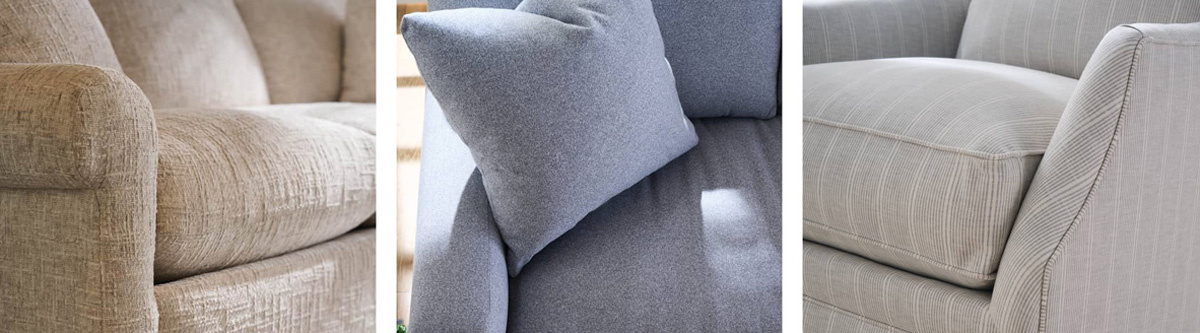
UPHOLSTERY CARE
With just a little attention, your upholstered furniture will stay beautiful for years to come. Following are a few simple ways to keep it looking fresh.
- Vacuum the surface of your furniture regularly, including the deck under the cushions, with the upholstery attachments of your vacuum cleaner.
- Limit direct sunlight to prevent your fabric from fading.
- To ensure equal wear and longevity, frequently switch, flip, and rotate loose cushions.
- All spills should be cleaned immediately, start by blotting the spill using a clean, absorbent cloth.
- If the stain remains, fabrics have specific cleaning codes, please don’t assume that it can be thrown in the washing machine. Please follow the care instructions according to the type of fabric/cleaning code for your specific furniture piece. The cleaning code for your upholstery may be on the deck label under the second cushion or in the care instructions you received at delivery. If you need help, please reach out and we’ll do our best to help.
- Always pre-test an inconspicuous area of the upholstery before spot cleaning.
- NEVER remove the cushion covers for separate dry cleaning or washing, even though they do have zippers. Any “tumble” method of cleaning may destroy the backing or in some other way cause damage to the fabric.
LEATHER CARE
With proper care, quality leather can be expected to last an average person’s lifetime. Remember that leather is a natural material that can change its appearance as it ages.
- Monthly, wipe the leather with a warm cloth dampened with distilled water to prevent the buildup of body oils and dust. Allow it to air dry naturally (do not use heat sources). Regularly vacuum crevices and dust with a soft dry cloth.
- To keep the leather supple and prevent fading, protect it from direct sunlight and heating vents.
- Dust with a clean soft cloth. Vacuum crevices regularly.
- Do not use saddle soap oils, abrasive cleaners, soaps, furniture polish, varnish, or ammonia-based products. The leather has already been permanently preserved in the tanning process and only requires the simple cleaning recommended.
- For spills like butter, oil, or grease, wipe up any excess with a clean, dry cloth. Do not apply water or try to wash the spot; the spot should dissipate into the leather naturally after a short period.
- Deep Cleaning: Use leather-specific cleaners and conditioners 2 to 3 times a year for deep cleaning. Professional leather cleaning may also be necessary.
Important note: The ability to "rub out" marks is sign of a high quality hide. When leather scratches, rub mark with your hand or fingertips to move natural oils around to correct the mark. Over time the scratch will dissipate.
•••••
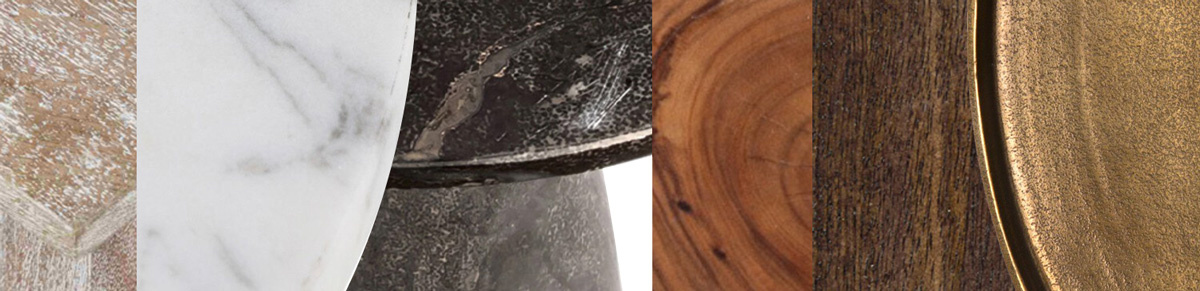
WOOD CARE
As a natural material, wood inherently comes with variations in color, tone, and texture. Expect natural movement like cracking or warping to occur as the wood continually adjusts to its environment. These characteristics and movements are what offer the authentic appeal that shows why you chose the beauty of natural, solid wood.
- Avoid direct contact between sharp objects and the surface to prevent scratching.
- Address spills immediately by wiping with a dry, soft cloth.
- Keep out of direct sunlight.
- Use coasters, trivets, and placemats for protection against hot or wet items.
- Dust regularly with a soft, damp cloth, followed by a dry one.
- Spot clean as needed with a soft cloth and mild soap.
- Do not use furniture polish, ammonia-based cleaners, or other chemicals as they will leave a wax buildup and will change the appearance of the wood over time.
- Avoid using abrasive cleaners, chemical solvents, strong detergents, furniture polish and cleaners with bleach.
- Always lift and carry when moving furniture; do not drag!
- During our dry winters, using a humidifier will not only benefit your furniture but also your own comfort and health.
- Avoid placing your furniture directly over floor vents, in front of radiators, or next to wood-burning stoves. Localized dry heat is the leading cause of dramatic wood shrinkage
View and print our It's Alive Wood Guide
STONE CARE
Since marble and other natural stones are naturally created, expect unique variations in color, texture, geological veins, and voids—these are inherent characteristics, not defects. Also, be aware that natural stone is porous and can stain. Stone, too, requires care.
- Clean the surface with a mild soap and warm water solution. Rinse with clean water and wipe dry with a soft cloth to ensure no residue remains.
- Always use coasters to protect against rings caused by beverages and limit exposure to direct sunlight or heat sources.
- Blot food and liquid stains immediately with a damp, soft cloth.
- Never use abrasive, bleach, or acidic cleaners (such as vinegar or lemon juice) as they can etch and damage the stone's surface.
- For marble, regularly polish with a good non-yellowing paste wax. For more porous stones like granite, periodic sealing is recommended to maintain protection.
METAL CARE
The naturally elegant luster of metals brings sophistication to your living spaces. To maintain its appearance and finish:
- Dust regularly with a soft, damp cloth, followed immediately by a dry one to avoid water marks. For more thorough cleaning, use a soft cloth and mild soapy water.
- Address spills immediately by wiping with a dry, soft cloth.
- Metal surfaces are not scratch or heat-resistant. To maintain the material’s natural appearance, avoid sharp objects on surfaces. Use coasters, trivets, and placemats for protection against hot or wet items.
- Do not use abrasive cleaners such as scouring pads or powder cleansers, or cleaning products with acid, vinegar, lemon, or ammonia, as these ingredients can damage the surface finish.
•••••
FURTHER RESOURCES
Two of our established partners have a thorough amount of care instructions, please visit their links should you have one of their items or if you’d simply like to dive deeper into furniture care: Amisco and Four Hands. Hopefully this goes without saying, but please contact us if you have further questions about your specific piece. We'd be happy to assist!